
Jo Blythe is a familiar name among many British television viewers who have followed regional weather forecasts and local broadcasting over the years. Known for her clear presentation style, friendly personality, and strong connection with audiences, Jo Blythe built a successful career as a weather presenter and television personality in the United Kingdom.
Her journey reflects the changing landscape of television broadcasting, where presenters often become trusted faces in viewers’ daily routines. Through her work on regional news programmes, Jo Blythe developed a reputation for delivering weather updates in an approachable and professional way.
Many people search for Jo Blythe to learn more about her background, broadcasting career, achievements, and life away from the screen. While she has maintained a relatively private personal life, her professional contribution to British television remains the main reason audiences remember her.
This article explores Jo Blythe’s career path, her role in television, her presentation style, and the impact she has made throughout her broadcasting years.
Who Is Jo Blythe?
Jo Blythe is a British television weather presenter best known for her work with regional news broadcasting in the United Kingdom. She became recognised through her weather forecasts, where she combined accurate information with a warm and engaging communication style.
Unlike celebrity presenters who often appear across multiple entertainment platforms, Jo Blythe focused mainly on broadcasting and connecting with local audiences. Her work demonstrated the importance of regional television in keeping communities informed about daily weather conditions and local events.
Her popularity grew because viewers appreciated her ability to explain weather patterns in a simple and understandable manner. Weather forecasting requires both technical knowledge and communication skills, and Jo Blythe successfully balanced both throughout her career.
Jo Blythe’s Early Interest in Broadcasting
Before becoming a well-known weather presenter, Jo Blythe developed an interest in media and communication. Broadcasting careers often require confidence, preparation, and the ability to perform under pressure, especially when working with live television.
Weather presenting is different from simply reading information from a script. Presenters must understand forecasts, explain changing conditions, and respond naturally during live broadcasts. Jo Blythe’s career shows how important presentation skills are in creating a connection with viewers.
Her professional journey highlights the dedication required to build a long-term career in television. Behind every broadcast appearance are hours of preparation, research, and coordination with production teams.
The Broadcasting Career of Jo Blythe
Jo Blythe became widely recognised through regional television broadcasting, particularly through weather segments connected with local news programmes. Her role involved presenting forecasts, updating audiences about changing conditions, and helping viewers plan their daily activities.
Regional weather presenters often become trusted figures because audiences see them regularly. Over time, viewers develop familiarity with presenters who appear during morning, afternoon, or evening news programmes.
Jo Blythe’s approach focused on making weather information accessible. Instead of presenting forecasts in a complicated way, she explained conditions clearly so that viewers could understand what to expect.
Her career also represents the importance of regional broadcasters in British media. These presenters often serve communities by providing information that directly affects everyday life, from travel planning to outdoor activities.
| Category | Details About Jo Blythe |
|---|---|
| Profession | Television weather presenter |
| Country | United Kingdom |
| Known For | Regional weather forecasting and television broadcasting |
| Industry | Broadcast media |
| Main Audience | UK television viewers |
Jo Blythe’s Role as a Weather Presenter
Weather presenters play an important role in television because weather affects almost every part of daily life. From commuting and travel decisions to farming and outdoor events, accurate forecasts help people prepare.
Jo Blythe’s role required more than announcing temperatures and conditions. A successful presenter must transform technical weather information into something viewers can easily understand.
She used television presentation techniques such as clear explanations, visual maps, and conversational delivery to make forecasts more engaging. This ability helped her create a professional image while maintaining a friendly connection with audiences.
Weather broadcasting also demands adaptability. Conditions can change quickly, and presenters must communicate updates accurately while working within live television schedules.
Why Viewers Remember Jo Blythe
Many television presenters become memorable because of their personality and consistency. Jo Blythe gained recognition not only because of the information she delivered but also because of the way she presented it.
Viewers often appreciate presenters who appear approachable and reliable. A familiar presenter can make a news programme feel more personal, especially when audiences watch the same broadcasts regularly.
Jo Blythe’s communication style helped her stand out in regional broadcasting. She represented the kind of presenter who combined professionalism with a natural on-screen presence.
Her career demonstrates that television success is not always based on fame or controversy. Many presenters build lasting reputations through reliability, expertise, and trust with their audiences.
Jo Blythe’s Contribution to Regional Television
Regional television has played an important role in British broadcasting for decades. Local news programmes provide communities with information that national channels may not always cover in detail.
Presenters like Jo Blythe contribute to this connection by becoming familiar faces within specific regions. Their work helps strengthen the relationship between broadcasters and local viewers.
Through weather forecasting, Jo Blythe became part of people’s daily routines. A short weather segment may seem simple, but it requires preparation, accuracy, and strong communication skills.
Regional presenters also help maintain the human side of television. While technology continues to change broadcasting, audiences still value presenters who deliver information in a relatable way.
Professional Skills That Made Jo Blythe Successful
A successful weather presenter needs several professional abilities beyond confidence in front of a camera. Jo Blythe’s career reflects many of the skills required in modern broadcasting.
Clear communication is one of the most important skills. Weather information can involve complex scientific details, but presenters must explain it in a way that everyone can understand.
Another important skill is live performance. Television often involves strict timings, unexpected changes, and technical challenges. Presenters need to remain calm and professional in these situations.
Research and preparation are also essential. Weather presenters work closely with meteorological information and production teams to ensure that forecasts are accurate and relevant.
| Skill | Importance in Weather Broadcasting |
|---|---|
| Communication | Helps explain forecasts clearly to viewers |
| Confidence | Supports effective live television presentation |
| Research Ability | Ensures accurate weather information |
| Adaptability | Helps handle changing conditions and live updates |
| Presentation Style | Builds trust and audience connection |
Jo Blythe’s Career Development and Changing Media Landscape
The television industry has changed significantly during Jo Blythe’s broadcasting career. Traditional television has expanded into digital platforms, online streaming, and social media channels. However, the role of trusted presenters remains valuable because audiences continue to seek reliable sources of information.
Weather presenters have adapted alongside these changes. Modern broadcasting requires presenters to communicate across multiple platforms while maintaining accuracy and professionalism. Although many viewers now access weather updates through mobile apps and websites, television presenters still provide context and explanation that automated forecasts cannot always deliver.
Jo Blythe’s career represents a period when regional television played a major role in connecting broadcasters with local communities. Her work shows how presenters can build recognition by consistently providing useful information and maintaining a strong relationship with viewers.
The Importance of Trust in Weather Broadcasting
Trust is one of the most important qualities for any television presenter. Weather forecasts influence everyday decisions, including travel plans, outdoor activities, and work schedules. Because of this, audiences value presenters who communicate information clearly and responsibly.
Jo Blythe became recognised as a presenter who delivered forecasts in a straightforward and accessible manner. Her professional approach helped viewers feel confident in the information they received.
Building trust on television takes time. Presenters need to demonstrate consistency, accuracy, and professionalism over many broadcasts. These qualities often create stronger connections with audiences than short-term media attention.
Jo Blythe’s Presentation Style
Every television presenter develops a unique style that shapes how audiences experience their broadcasts. Jo Blythe’s presentation approach focused on clarity, friendliness, and professionalism.
A weather forecast is not only about sharing numbers and predictions. The presenter must help viewers understand what those details mean in real situations. For example, explaining whether conditions may affect travel, outdoor plans, or local activities makes forecasts more useful.
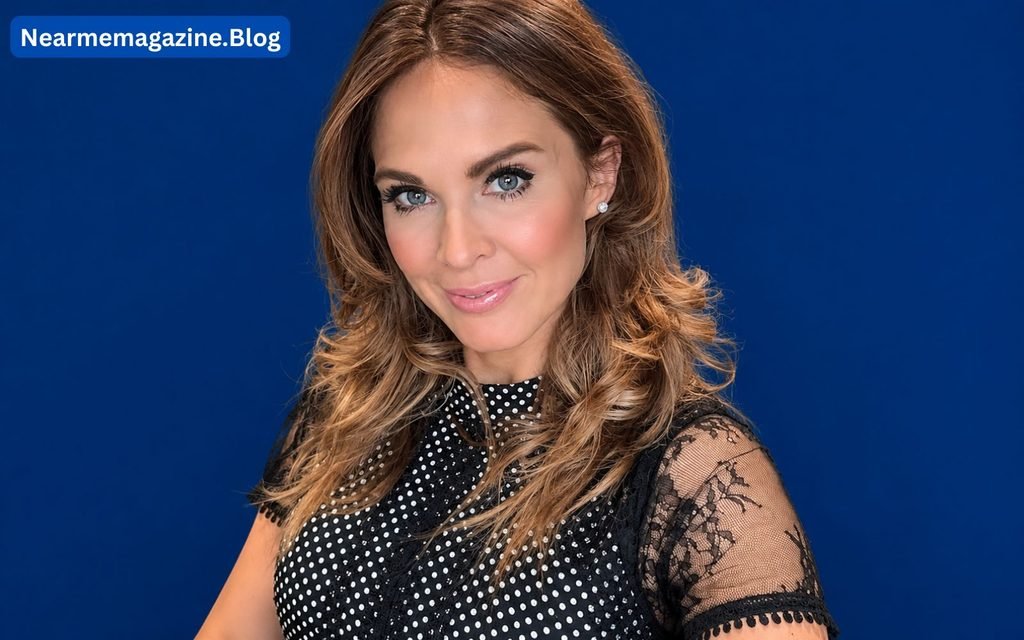
Jo Blythe’s ability to communicate naturally helped make weather segments more engaging. Her style reflected the importance of combining technical information with human communication.
Life Beyond Television and Public Profile
While Jo Blythe became recognised through her television work, she has generally maintained a private personal profile. Unlike many modern media personalities, she has focused primarily on her professional role rather than building a public image through entertainment or social media.
This approach is common among many regional broadcasters who prefer to keep attention on their work rather than their private lives. For viewers, Jo Blythe remains mainly associated with her contribution to television weather reporting.
Her career demonstrates that public recognition can come from professionalism, consistency, and expertise rather than constant media exposure.
Jo Blythe’s Impact on Viewers
The impact of a television presenter is often measured by the connection they create with audiences. Jo Blythe became part of the viewing experience for many people who regularly watched regional news programmes.
A familiar presenter can create a sense of reliability. Viewers often appreciate seeing the same professional faces delivering important information because familiarity builds confidence.
Through years of weather presentation, Jo Blythe contributed to the everyday lives of viewers by helping them understand changing weather conditions and prepare for upcoming days.
How Weather Presenters Influence Modern Broadcasting
The role of weather presenters has continued to evolve. Today, audiences expect faster updates, interactive maps, and information available across different devices. However, the human element of broadcasting remains important.
Presenters add interpretation and communication skills that help audiences understand information more effectively. They can explain unusual weather patterns, highlight important changes, and provide context beyond basic forecasts.
Jo Blythe’s career reflects the continuing importance of skilled presenters in an industry that combines technology with human storytelling.
Jo Blythe’s Career Overview
| Aspect | Information |
|---|---|
| Field | Television broadcasting |
| Specialisation | Weather presentation |
| Recognition | Regional UK television audiences |
| Broadcasting Strength | Clear communication and professional delivery |
| Audience Connection | Familiar and trusted television presence |
Frequently Asked Questions About Jo Blythe
Who is Jo Blythe?
Jo Blythe is a British television weather presenter known for her work in regional broadcasting. She became recognised for presenting weather forecasts and connecting with UK television audiences through her professional and approachable style.
What is Jo Blythe known for?
Jo Blythe is best known for her career as a weather presenter. Her work involved delivering weather updates, explaining forecast information, and becoming a familiar face for regional television viewers.
Did Jo Blythe work in British television?
Yes, Jo Blythe worked in British television broadcasting, particularly in regional news and weather presentation. Her career is associated with providing weather information to UK audiences.
Why do people search for Jo Blythe?
People search for Jo Blythe because they want to learn more about the weather presenter’s career, broadcasting background, and professional journey. Many viewers remember her from television appearances.
What skills helped Jo Blythe succeed as a presenter?
Jo Blythe’s success as a presenter was supported by skills such as clear communication, confidence, preparation, adaptability, and the ability to explain information in an engaging way.
Conclusion
Jo Blythe’s career highlights the value of skilled and trusted television presenters in British broadcasting. Through her work as a weather presenter, she became a familiar figure for many viewers who relied on her clear explanations and professional delivery.
Her journey shows that successful broadcasting is built on more than appearing on screen. It requires preparation, communication skills, and the ability to create a genuine connection with audiences.
Although the media landscape continues to change, the qualities that define effective presenters remain the same. Jo Blythe’s contribution to regional television demonstrates the lasting importance of reliable communication and the role presenters play in informing everyday lives.